

From my studio to yours
I’m Sue Pendleton, artist, writer, founder of ENSOhello, and longtime marketing/content pro.
These posts come from both sides of the practice: the part of me that knows marketing matters, and the part of me that would often rather be painting than promoting.
Here, I share practical guidance, artist-to-artist encouragement, and behind-the-scenes reflections as I build ENSOhello to help artists make marketing feel more human, useful, and easier to return to.
The People Already Here
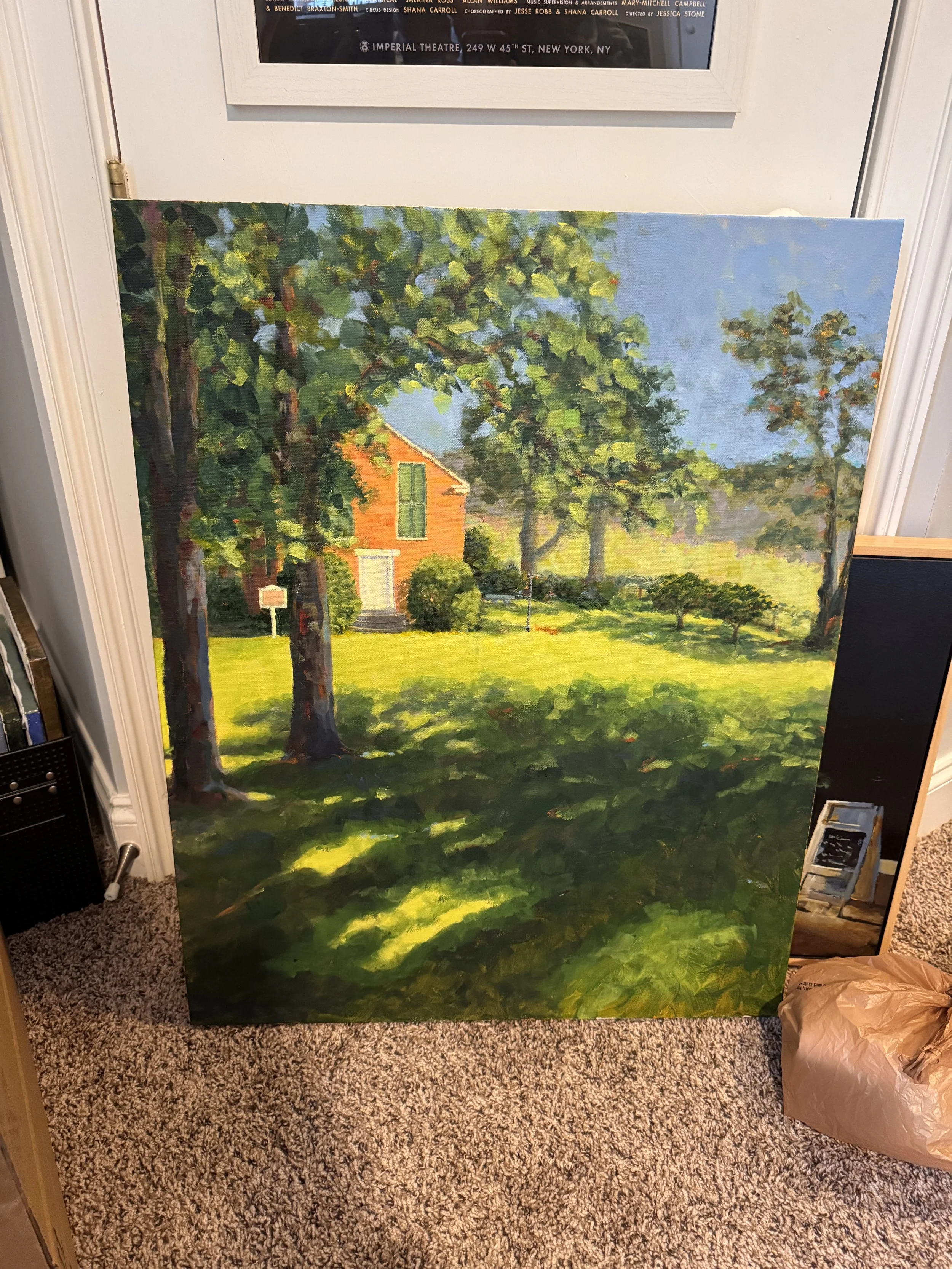
I’ve been thinking about how much energy we spend looking for new people and how easy it is to overlook the ones already paying attention. Sometimes growth starts with taking better care of the circle we already have.
Expand Your Art Circle
Many artists think audience growth means reaching a crowd of strangers. But your future audience may already be hinted at in the people paying attention now — past buyers, friends, family, local supporters, fellow artists, teachers, neighbors, and followers. When you see the smaller circles inside your larger art circle, growth becomes less about selling and more about cultivating one thoughtful connection at a time.
Start the List Before You Need It
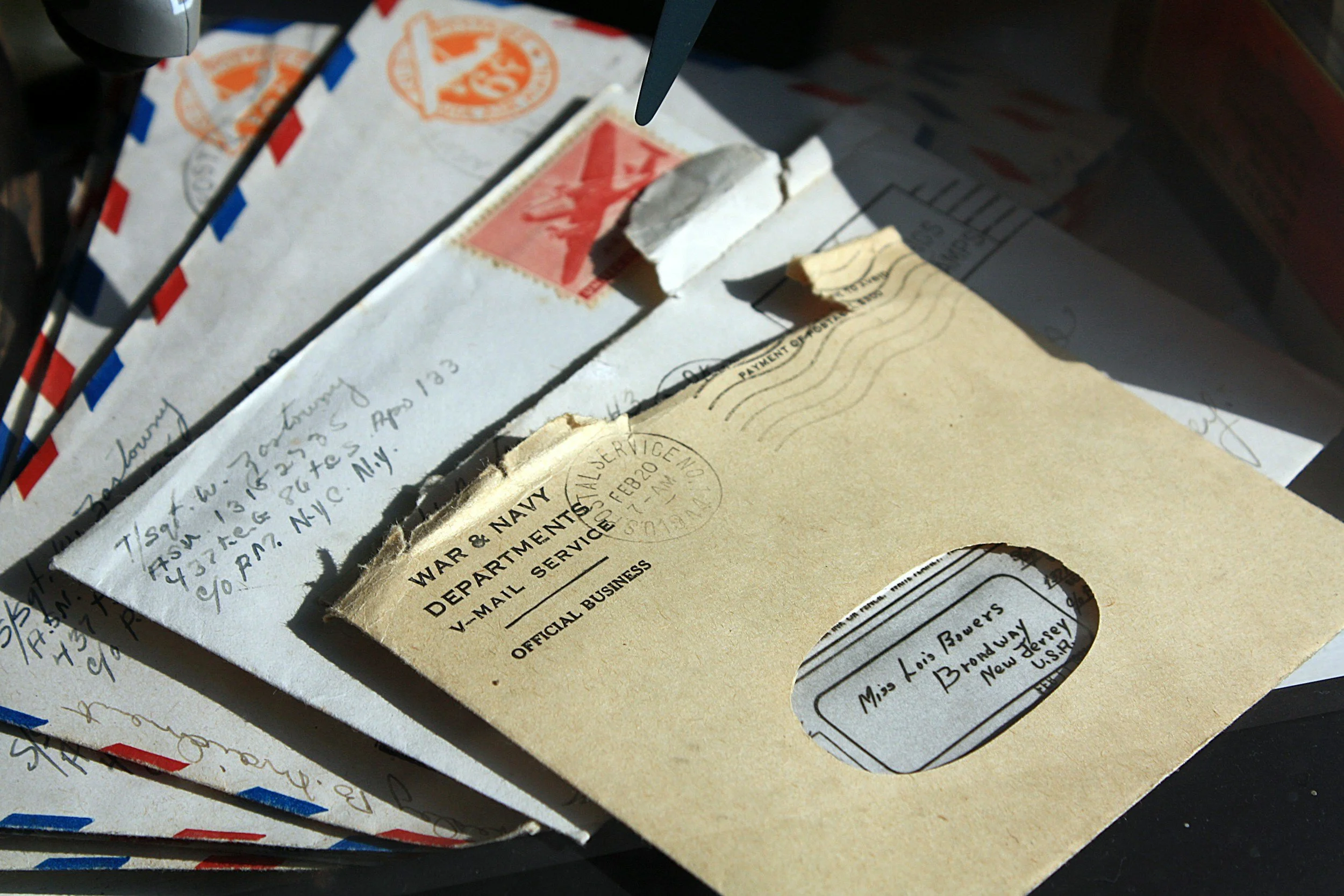
Many artists put off building an email list because they think they need a newsletter, big news, or a perfect plan first. But the list can start much more simply: as an invitation for people who already care about your work to stay connected.

It’s OK to Say “Buy This”
Artists often want people to buy the work, order the cards, ask about commissions, or visit the show, but saying so can feel strangely vulnerable. A call to action doesn’t have to be forceful. It can be a clear, warm invitation that helps people know what to do next.

The First Newsletter Is the Hardest
The first newsletter isn’t hard because artists have nothing to say. It’s hard because the setup, software, templates, and blank page can make everything feel bigger than it needs to be. A simple format can make the first email feel possible.
My Art is Ready
For a long time, I was waiting for some invisible signal that my art was ready. But there isn’t one finish line where someone hands you a permission slip. At some point, I had to decide my art was ready enough to take seriously — and begin building around it.
The Studio Can Wait for You
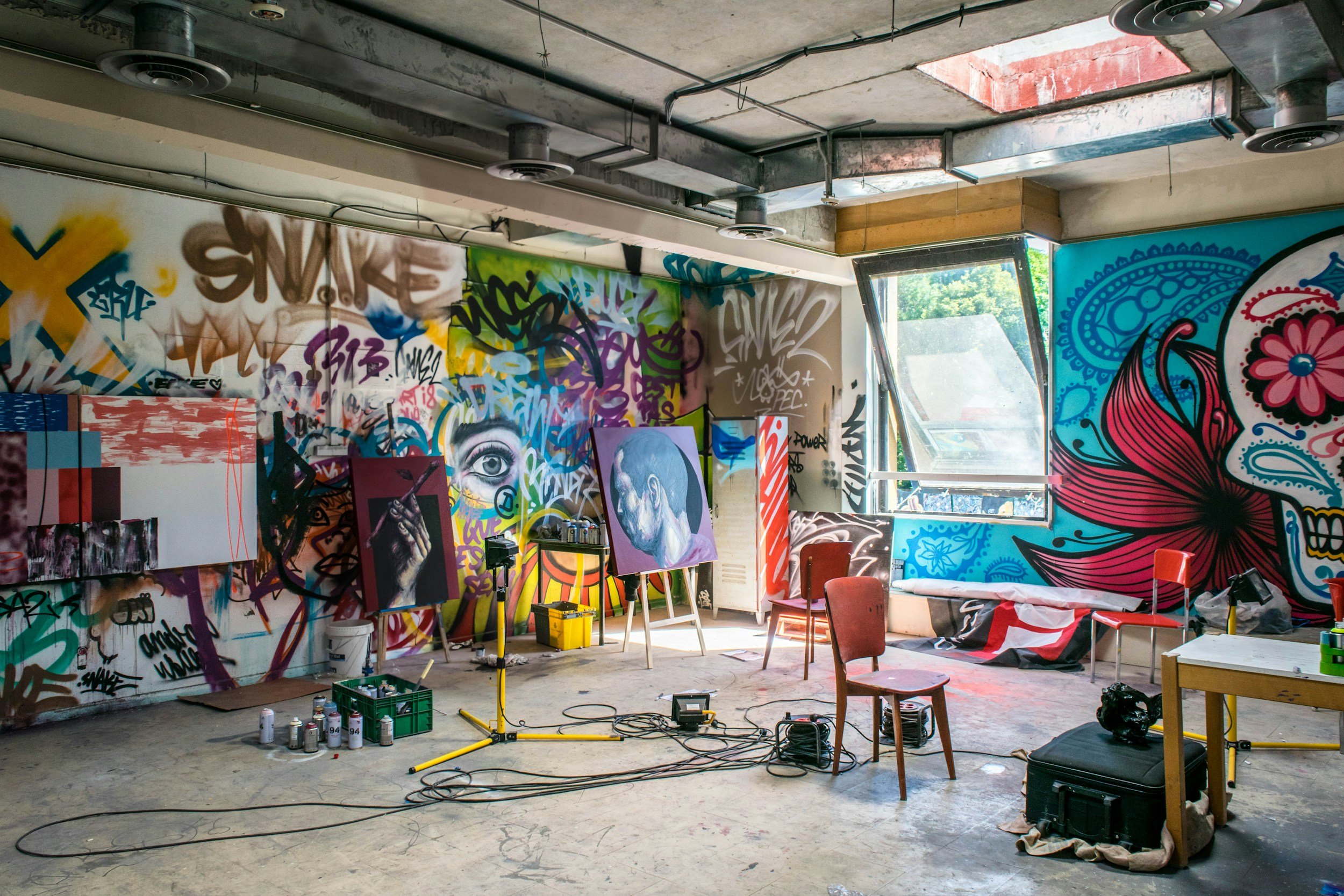
Sometimes life narrows what we can hold, and the art practice gets quiet. That does not mean the work has disappeared or that you have fallen behind. The studio can wait for you — and when you are ready, you can build a small bridge back without apology.

Let’s Talk about AI
AI can feel huge and overwhelming, but artists do not have to begin with a big strategy or perfect prompt. Start small. Try a few free tools, ask one simple question, and notice which one helps you think more clearly. The goal is not to replace your voice or your work. It is to find support for the work around the art.
What Are the Clues Telling You?
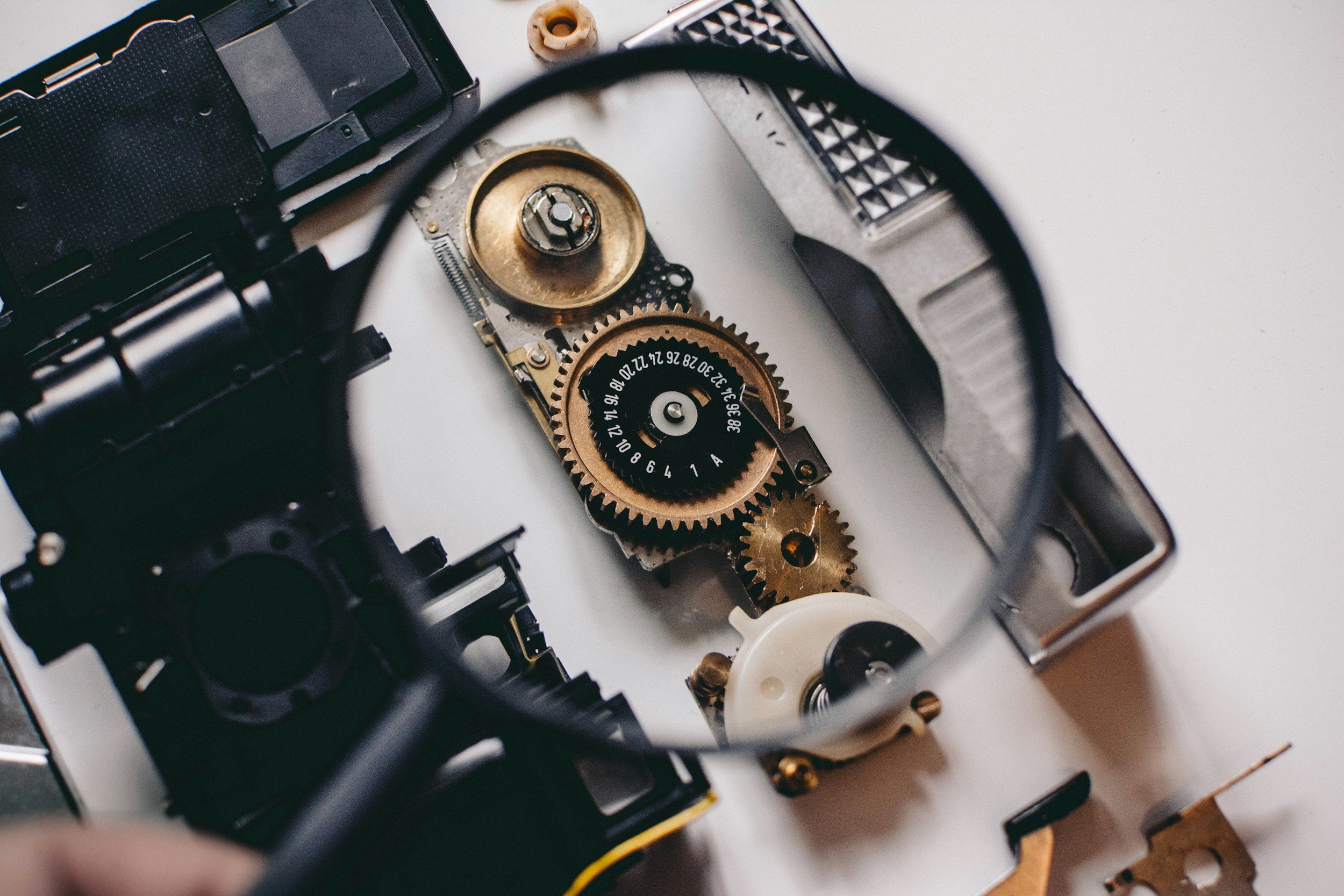
Looking at your social media numbers is only the first step. The harder part is figuring out what they might mean. For artists, market feedback is not a grade or a final answer. It is a set of clues — something to interpret, test, and refine with support instead of trying to figure it all out alone.

I Tested My Own Advice for 90 Days
I tested my own art marketing advice for 90 days because I was beginning to doubt whether consistency really made a difference. The results were encouraging, complicated, and ultimately useful—once I stopped trying to analyze every metric and started looking for the patterns.

Rhythm First. Then Focus
After 90 days of building a steadier posting rhythm, I realized something had shifted. Marketing was taking up less headspace, and I had more room to ask a better question: what do I want this practice to support next?

The Sunday of Summer
A seasonal reset does not have to mean a rigid plan or a longer to-do list. Like a sketch or value study before a painting, it can simply help artists understand what is ahead, lay a small foundation, and enter the next season with a little more ease.
Putting the Work in Motion
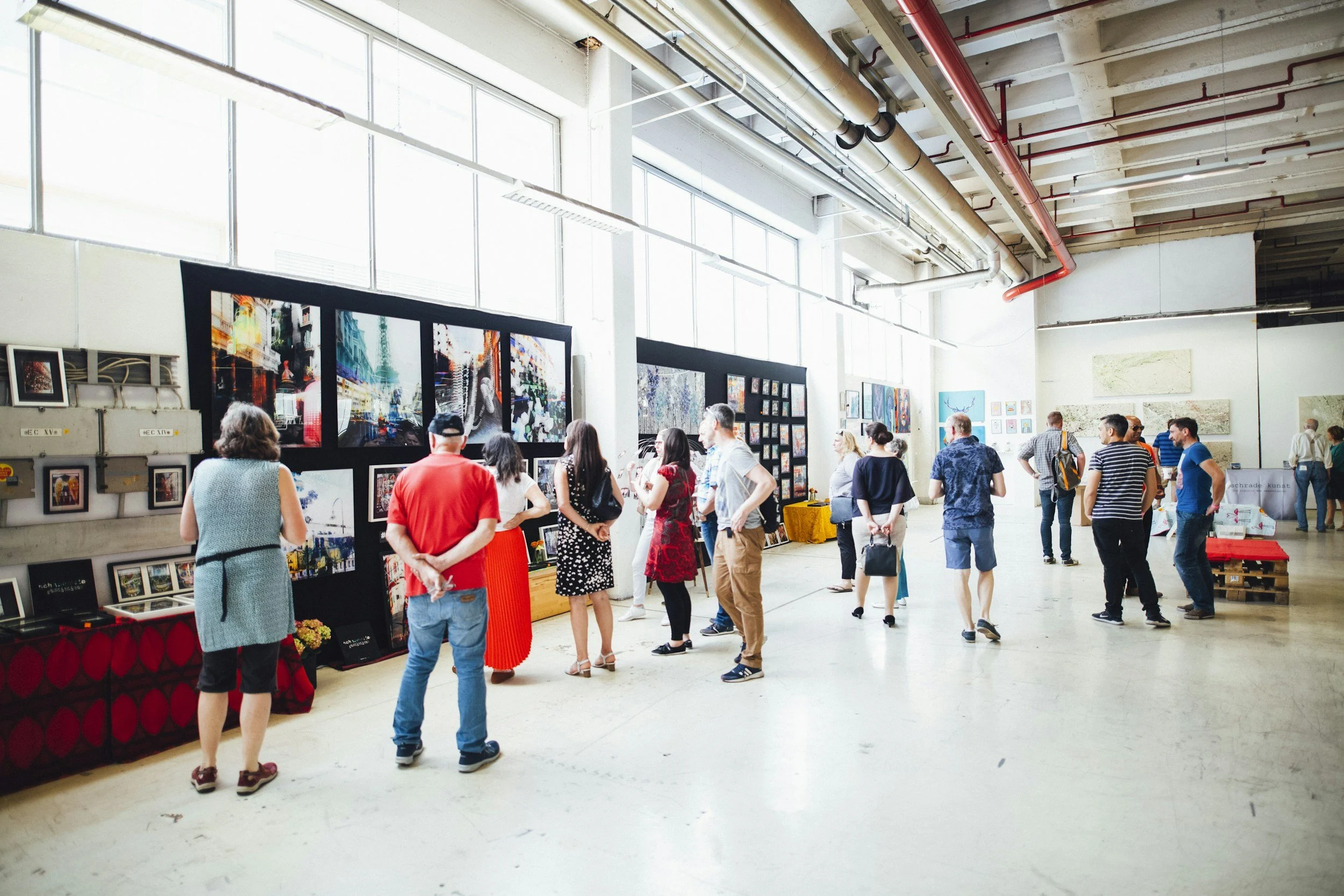
Posting helps artists build a foundation, but it is not the only way art moves through the world. Submitting to shows, applying for opportunities, and making new connections can help our work reach beyond our usual circle — one step at a time.
The Magnetic Pull of “Place”
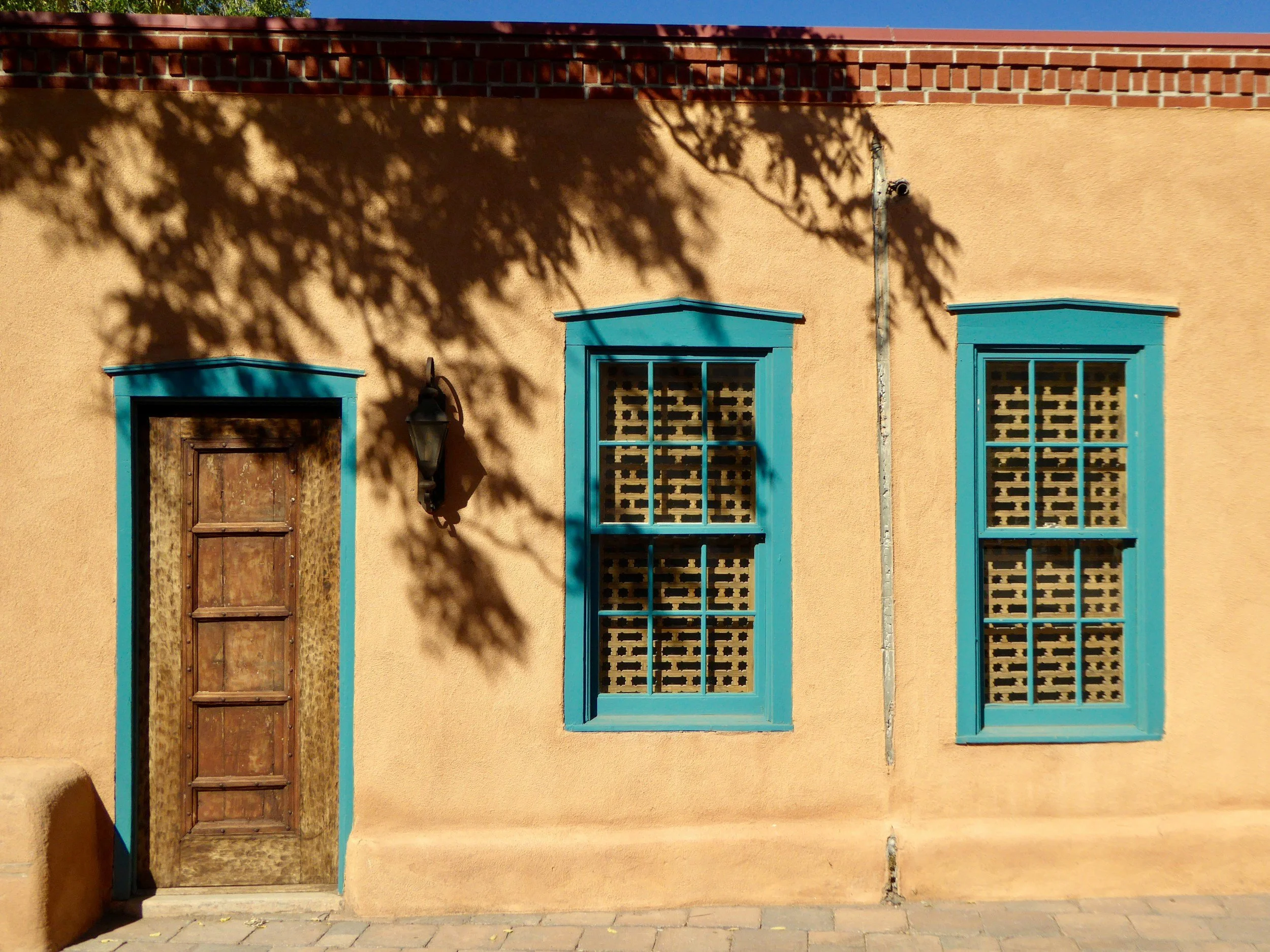
A trip to Santa Fe became the beginning of a tradition: seeking out local art while traveling and bringing home pieces that hold the memory of a place. That experience still shapes how I think about art marketing. Sometimes people connect with a piece not only because of what they see, but because of the place, memory, or feeling it helps them return to.
The Power of BTS
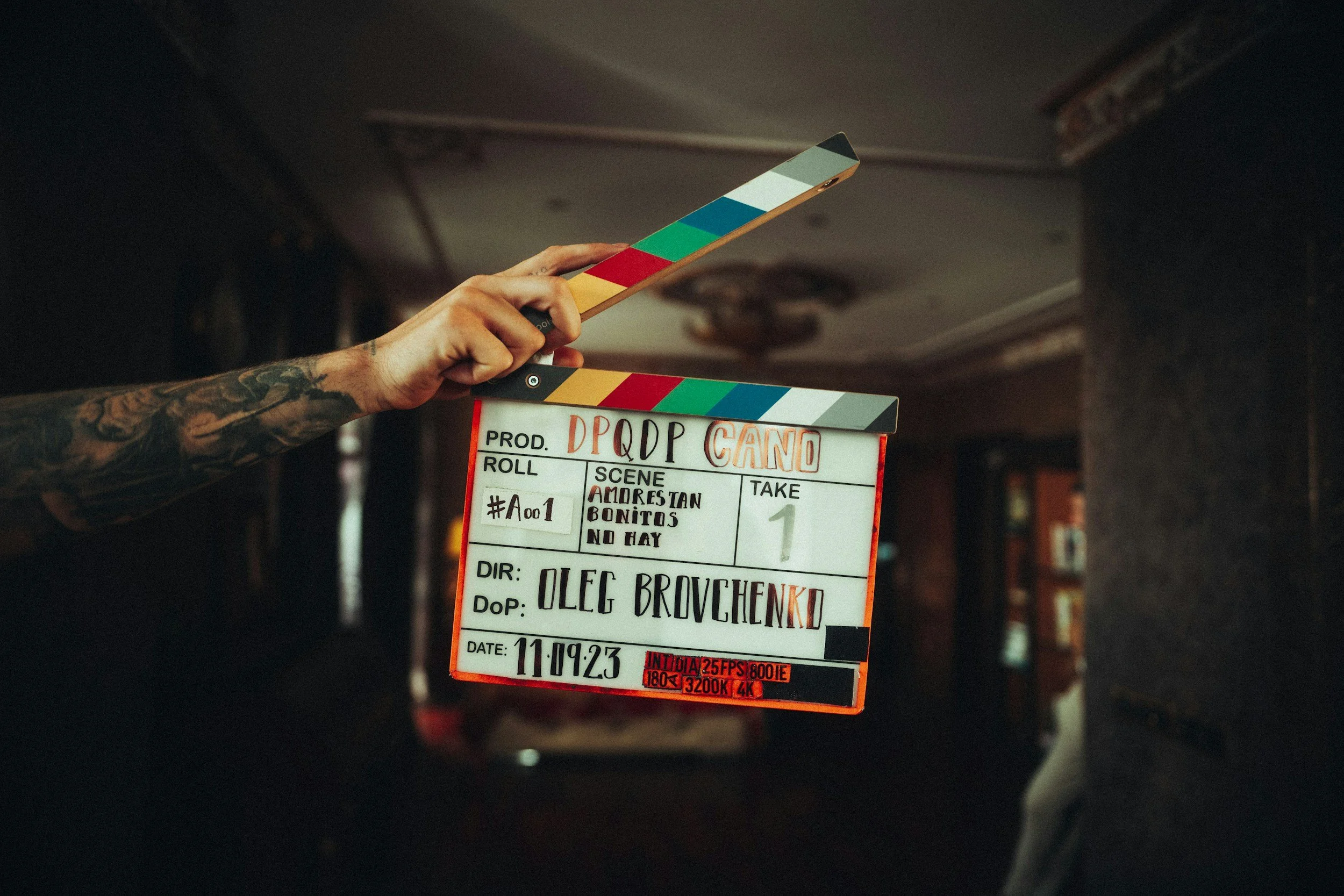
Years ago, when I worked at Good Morning America, I tried to pitch behind-the-scenes segments because I believed viewers would love seeing what happened beyond the cameras. I couldn’t convince anyone at the time, but later, when the show did more of it, people loved it. That experience still shapes how I think about artist marketing: people are curious about what happens behind the curtain, and artists have some of the best behind-the-scenes content.
Something is Happening
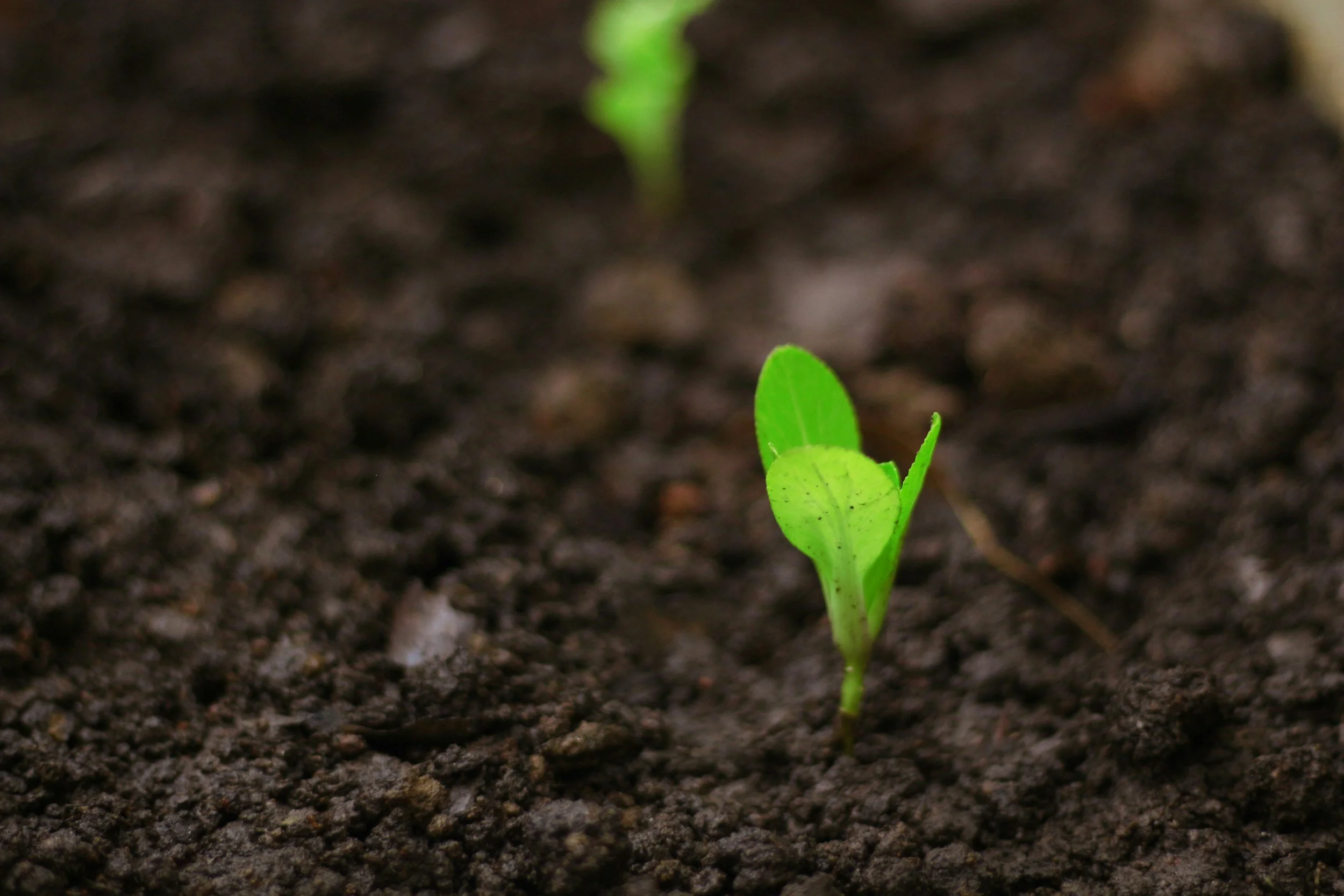
After one month of focusing on my art marketing practice, the results were not dramatic or viral. But they were real: more followers, more views, more interactions, and less dread about showing up. Sometimes the first signs of growth are small — but small signs still mean something is happening.

When Scams Find Artist
When artists start showing up more consistently online, more people can find them — including the wrong people. Scams aimed at artists feel especially cruel because they mimic the very thing artists are hoping for: genuine interest, appreciation, and opportunity. But the lesson isn’t to disappear. It’s to keep showing up with more discernment.
Coming Back Is Part of the Practice
A sustainable marketing practice is not built on never taking a break. It is built on knowing how to return. Whether you are coming back from vacation, illness, injury, or a busy season, the first step does not need to be big. It just needs to help you begin again.
Does Marketing Belong in the Studio?
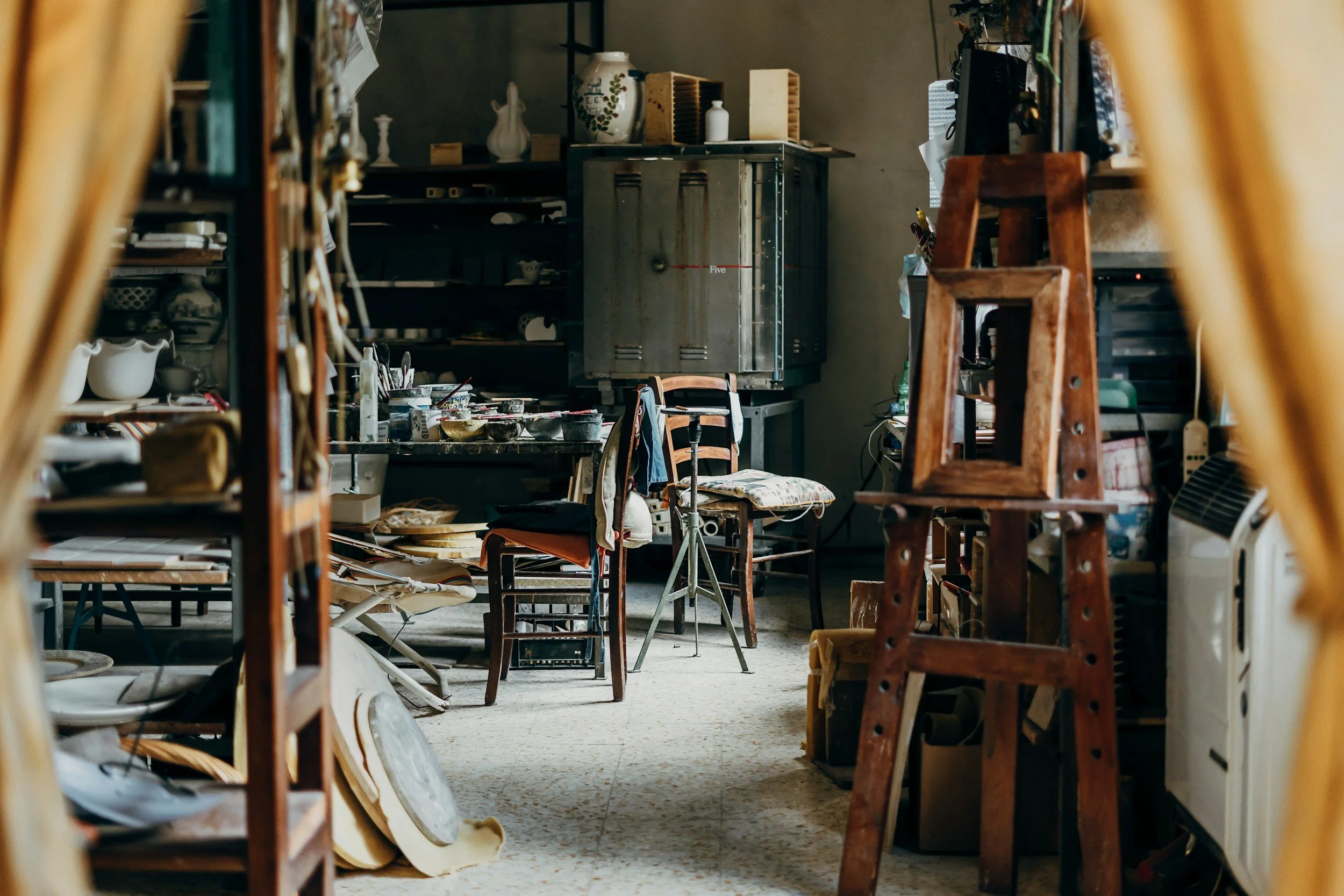
For a long time, I imagined marketing could feel more like studio time. But I’m starting to think studio time needs to stay studio time. Marketing may become more sustainable when it has its own place in the practical rhythm of life — so it supports the art practice instead of stealing from it.

Let’s Get Physical
Exercise teaches us that consistency does not happen by accident. It takes structure, support, encouragement, and a rhythm we can return to. Marketing our art works the same way: not as a magic trick to master, but as a practice you build over time.